

what is laminated safety glass
Accurate level measurement is critical in industries ranging from manufacturing to chemical processing, ensuring operational efficiency and safety. With various level measurement tool technologies available—from ultrasonic to radar and mechanical options—selecting the right solution can be challenging. This guide compares different precision measuring tools , including specialized instruments like the granite angle plate , and explores their applications in measuring tools in metal work . Whether you're a quality control specialist or a precision tool and Gage distributor, understanding these technologies will help you make informed decisions for your specific needs. Types of Level Measurement Tool Technologies When choosing a level measurement tool it's essential to understand the strengths and limitations of each technology. Ultrasonic sensors excel in non-contact applications, using sound waves to detect liquid or solid levels in tanks. Radar-based tools offer high accuracy even in harsh environments with dust, vapor, or temperature extremes.For direct measurements, mechanical options like float switches or sight glasses remain reliable and cost-effective. In measuring tools in metal work , laser-based systems provide micron-level precision for alignment and surface profiling. Each method serves distinct purposes, from bulk material handling to precision machining applications requiring precision tool and Gage accuracy. Precision Tools Of Level Measurement Tool F or Industrial Applications Beyond basic level detection, many industries require precision measuring tools for quality assurance and process control. Laser alignment systems ensure machinery operates within tight tolerances, while optical levels provide accurate reference points for large-scale installations. The granite angle plate serves as an essential reference surface in etymology labs, offering thermal stability and flatness for calibration.In metal fabrication, specialized measuring tools in metal work like height gauges, dial indicators, and coordinate measuring machines (Cams) verify dimensional accuracy. These instruments complement level measurement devices by providing comprehensive quality control solutions. For distributors of precision tool and Gage equipment, offering a complete range ensures customers can address all their measurement challenges. Factors T o Consider When Selecting Level Measurement Tool Choosing the right level measurement tool requires evaluating several key factors. Measurement range and resolution determine whether a device can meet application requirements—ultrasonic sensors may struggle with foamy liquids, while radar handles such conditions well. Environmental conditions like temperature, pressure, and chemical exposure also influence technology selection.For precision measuring tools used in quality control, repeatability and calibration frequency are critical considerations. The granite angle plate , for example, must maintain its dimensional stability despite temperature fluctuations. Ease of integration with existing systems and maintenance requirements further differentiate options, helping users balance performance with operational practicality. Industry-Specific Level Measurement Tool Solutions Different sectors demand tailored approaches to level measurement and precision verification. In petroleum storage, guided wave radar provides reliable readings despite tank roof interference. Food and beverage operations often prefer hygienic level measurement tool designs with easy-clean surfaces. Semiconductor manufacturers rely on ultra-precise measuring tools in metal work to maintain clean room standards.The precision tool and Gage requirements for aerospace differ markedly from those in automotive manufacturing. Understanding these nuances helps suppliers recommend optimal solutions. Even the humble granite angle plate finds specialized uses across industries—from machine shop layout to optical component inspection. Level Measurement Tools FAQs What's the most accurate l evel m easurement tool technology? Radar-based level measurement tools typically offer the highest accuracy (±1mm or better), especially in challenging conditions. However, for laboratory applications, laser systems paired with precision measuring tools can achieve even finer resolution. How often should precision l evel m easurement tool equipment be calibrated? Most precision tool and Gage instruments require annual calibration, though high-use environments may need quarterly checks. The granite angle plate typically only needs verification every 2-3 years due to its exceptional stability. Can one l evel measurement tool handle both liquids and solids? Yes, technologies like radar and ultrasonic work with both media types. However, specialized level measurement tool designs exist for powders, flurries, and other unique materials where standard devices might fail. Why use granite for l evel m easurement tool surfaces? The granite angle plate offers unmatched stability, vibration damping, and thermal characteristics. Unlike metal, granite won't warp over time and provides a perfectly flat reference surface for measuring tools in metal work . Where can I source reliable l evel m easurement tool equipment in bulk? Our company specializes in high-quality level measurement tools . We offer wholesale pricing on all precision tool and Gage equipment with certified calibration and technical support.Selecting the optimal level measurement tool requires matching technology capabilities to specific application demands. From rugged industrial sensors to delicate precision measuring tools , each solution serves unique purposes across manufacturing sectors. The granite angle plate exemplifies how specialized instruments deliver unmatched performance in quality control environments.For distributors and industrial buyers, our comprehensive range of measuring tools in metal work and precision tool and Gage equipment provides solutions for every challenge. Contact us today to discuss your measurement needs and discover why leading manufacturers trust our products for their most critical applications. Invest in precision—your operations deserve measurement tools that deliver consistent, reliable results.
about
what is laminated safety glass
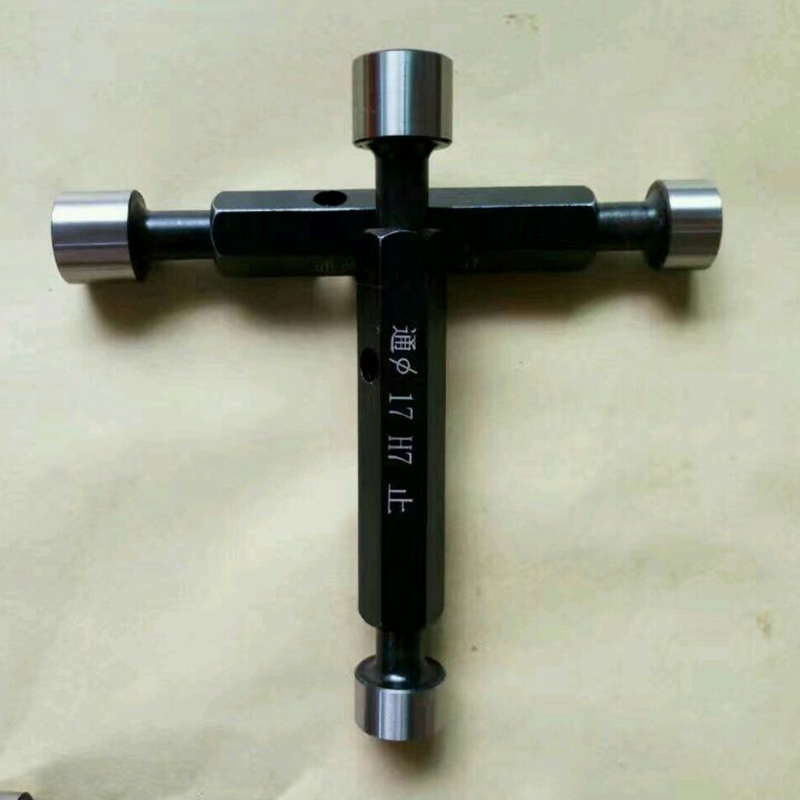
Calibrated Pin Gauges The Precision Tool for Dimensional Accuracy in Manufacturing In the realm of precision engineering and manufacturing, calibrated pin gauges occupy a pivotal position as an indispensable tool for ensuring dimensional accuracy. These seemingly simple yet meticulously crafted instruments play a crucial role in quality control processes by providing a reliable means of verifying and measuring internal dimensions such as holes, slots, and recesses. This article delves into the significance, construction, usage, and maintenance of calibrated pin gauges, underscoring their importance in maintaining the highest standards of manufacturing excellence. **Understanding Calibrated Pin Gauges** Calibrated pin gauges, also known as go/no-go gauges or simply pin gauges, are cylindrical or tapered metal rods, meticulously ground to precise diameters with tolerances as tight as a few microns. They serve as a reference standard for checking the size and straightness of drilled or machined holes. Each gauge is precisely calibrated against national or international measurement standards to guarantee absolute dimensional accuracy. The primary advantage of pin gauges lies in their simplicity. They come in sets, with each pin representing a specific dimension. In a 'go' gauge, the pin should easily slide into the hole, indicating that the hole is within the acceptable lower limit of the tolerance range. Conversely, a 'no-go' gauge should not enter the hole or do so only partially, signifying that the dimension exceeds the upper tolerance limit. This binary system provides an immediate pass/fail assessment, making it a swift and straightforward method for quality inspection. **Construction and Material** Calibrated pin gauges are typically fabricated from high-grade steel, chosen for its hardness, wear resistance, and stability under varying temperatures. Chromium-plating is often applied to enhance corrosion resistance and improve surface finish, ensuring consistent and reliable measurements over time. The ends of the pins may feature a slightly rounded tip to prevent damage to the part being inspected and facilitate smooth insertion The ends of the pins may feature a slightly rounded tip to prevent damage to the part being inspected and facilitate smooth insertion The ends of the pins may feature a slightly rounded tip to prevent damage to the part being inspected and facilitate smooth insertion The ends of the pins may feature a slightly rounded tip to prevent damage to the part being inspected and facilitate smooth insertion calibrated pin gauges . **Applications Across Industries** From aerospace to automotive, medical devices to microelectronics, calibrated pin gauges find application wherever micron-level accuracy is paramount. In the automotive industry, they ensure the correct fitment of engine components; in aerospace, they verify the precision of aircraft parts where safety is critical. Medical device manufacturers rely on them to maintain strict tolerances in implants and surgical instruments, while in semiconductor manufacturing, they contribute to the meticulous fabrication of minuscule components. **Maintenance and Calibration** Maintaining the accuracy of pin gauges is crucial to their effectiveness. Regular cleaning with a soft cloth and appropriate solvent prevents contamination and preserves surface integrity. Storage in a controlled environment, typically in a humidity-controlled cabinet, safeguards against dimensional changes due to temperature fluctuations. Periodic recalibration by accredited laboratories is mandatory to verify and restore the gauges' dimensional conformity, typically annually or after a set number of uses, depending on usage frequency and industry standards. **Conclusion** Calibrated pin gauges embody the essence of precision in modern manufacturing. Their role extends beyond mere measurement tools; they are guardians of quality, ensuring that products meet stringent tolerances and perform as intended. As technology advances and manufacturing tolerances become ever tighter, the reliance on these meticulously crafted instruments will only continue to grow. By embracing best practices in their use and maintenance, industries can harness the full potential of calibrated pin gauges, driving advancements in product quality and reliability. In the quest for perfection, these humble yet highly effective tools stand as a testament to human ingenuity and the relentless pursuit of precision.
-

High quality industrial productsagement

High quality industrial products
View Details -

Meet the diverse needs of customers

Meet the diverse needs of customers
View Details -

Strict quality control

Strict quality control
View Details -

Top raw materials

Top raw materials
View Details -

Trusted supplier

Trusted supplier
View Details
Our application

news and information
Wooden Villa House Connection Solutions with Truss Mending Nail Plates for Structural Integrity
The Essential Role of Truss Mending Nail Plates in Wood Villa Construction Wooden villas exude charm

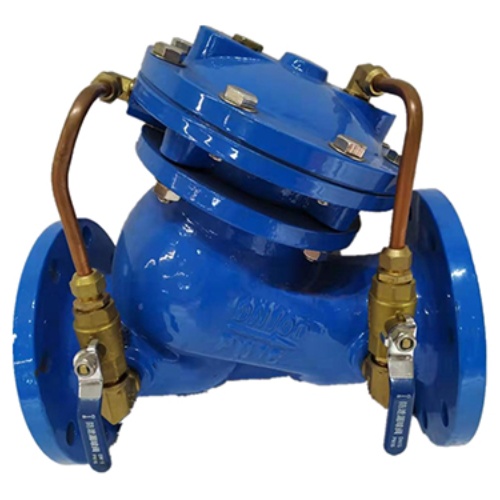
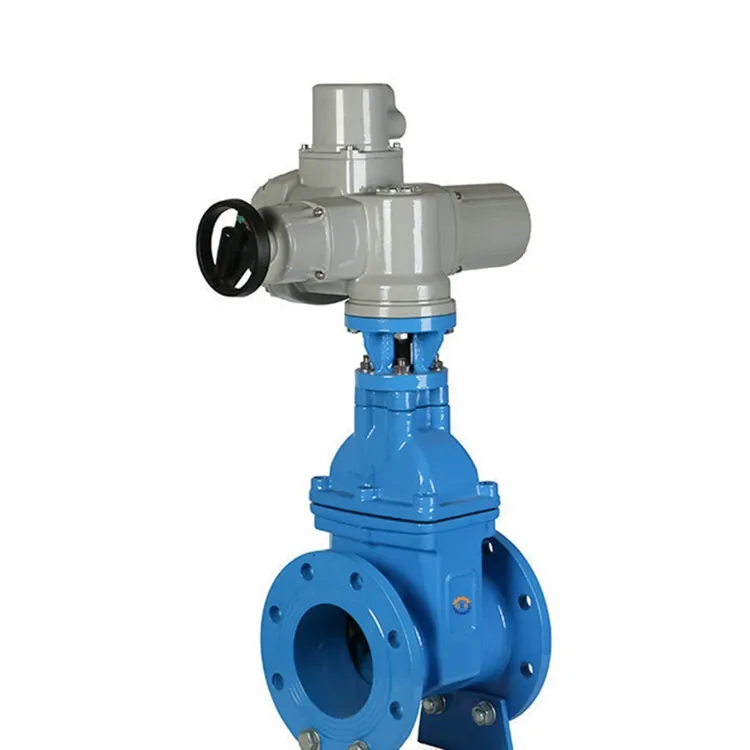
valve supplier
Choosing the right valve supplier is a critical decision for manufacturers and industries worldwide.
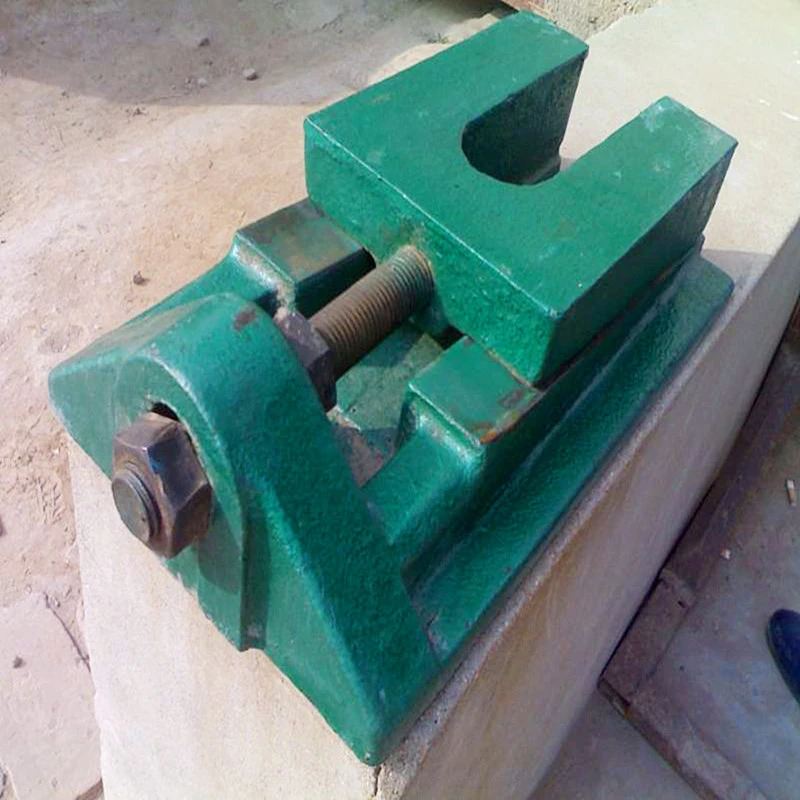
Welding Table Manufacturing Solutions from China for Reliable Performance and Quality
Welding Tables in China A Comprehensive Overview Welding tables are essential tools in the fabricati
 English